How Your Genes Shape You: Genetics, Environment and Ethics
This work has been verified by our teacher: 16.01.2026 at 15:20
Homework type: Essay
Added: 16.01.2026 at 15:04
Summary:
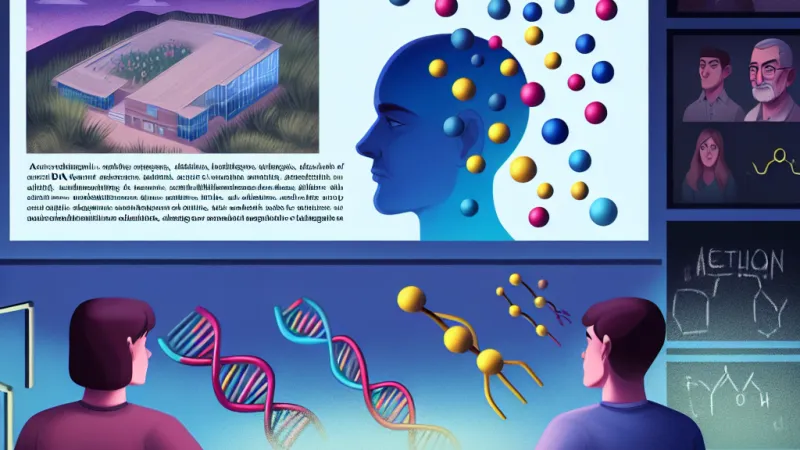
Genes guide traits but environment and epigenetics shape outcomes; inheritance, mutation, biotech and ethics matter - how DNA makes you, not just decides you.
Biology: You and Your Genes
This essay will explore the dynamic relationship between our genes and the individuals we become, looking at how genetic instructions inherited from our parents shape us, how environmental factors modify those traits, and why understanding genetics holds immense importance for medicine and society. Key terms will be clarified throughout, starting with “gene”—a section of DNA that instructs a cell how to build a specific molecule, usually a protein. The distinction between genotype (genetic constitution) and phenotype (observable characteristics) will be consistently maintained. The essay will first outline the basic structures and processes of genetics, then examine inheritance mechanisms, variation, mutations, gene-environment interactions, biotechnology applications, and finally, their ethical implications.
---
The Basic Building Blocks: Cells, Chromosomes, and DNA
Within almost every cell of your body lies a nucleus, a tiny yet astonishingly complex structure. Housed inside the nucleus are chromosomes—long threads composed of DNA, bundled and organised. A typical human cell contains 46 chromosomes, arranged as 23 pairs, including one pair that determines biological sex (XX in most females, XY in most males).> Diagram suggestion: [Labelled nucleus with chromosomes, highlighting chromosome structure.]
Zooming in, chromosomes themselves are made of DNA (deoxyribonucleic acid), a double-helix-shaped molecule holding a linear code—think of DNA as a set of instructions written in a language of four chemical ‘letters’. Each gene is a separate sentence within this code. The information flows in a logical direction: DNA is transcribed to RNA, and that RNA is then translated to build a protein. Proteins, built from sequences of amino acids, are the machinery and scaffolding of the cell.
> Diagram suggestion: [Chromosome segment, magnified to show DNA double helix and highlight a single gene.]
---
Genes in Action: Structure and Function
Genes exert their influence by directing the manufacture of proteins, which fall into two broad categories. Structural proteins—like collagen in tendons and keratin in hair—give cells and tissues their form and strength. Functional proteins such as enzymes drive essential chemical reactions; for example, amylase in saliva breaks down starch. Every gene contains the instructions for a particular protein, which helps explain why cells can specialise so vastly: a liver cell expresses genes for detoxification enzymes, while a muscle cell switches on genes for contractile proteins like actin and myosin, and a red blood cell produces vast quantities of haemoglobin. This process of selective gene expression allows genetically identical cells to become tissues with unique jobs.Linking mechanism: gene → RNA → protein → trait. For example, a gene carrying the instructions for haemoglobin leads to the production of haemoglobin in red blood cells, resulting in their characteristic red colour and oxygen-carrying function.
---
Inheritance: Passing Genetic Information Between Generations
Human life begins when two sex cells fuse—a sperm from the father and an ovum (egg) from the mother. Each gamete carries a single set of chromosomes (haploid), so when they combine, the resulting embryo has the full set (diploid). This is how each parent passes on half of their genes to the next generation.Before gametes are formed, a special type of cell division known as meiosis halves the chromosome number and shuffles the genetic deck through two processes: - Independent assortment: chromosomes from each parent are randomly distributed into gametes, - Crossing-over: segments of chromosomes swap places, creating unique combinations of genes.
Alleles are different versions of the same gene. You can be homozygous (two identical alleles) or heterozygous (two different alleles). Some alleles are dominant (their trait is expressed if present), while recessive traits only show when two copies are inherited. Take flower colour in peas, as famously studied by Gregor Mendel: if purple (P) is dominant and white (p) is recessive, then a pea with genotype Pp will be purple. A Punnett square makes this easy to visualise.
> Diagram suggestion: [Punnett square showing Mendelian inheritance of flower colour.]
---
Genetic Variation, Clones, and Twins
Even with all this inheritance, no two individuals—except identical twins or artificially produced clones—have exactly the same genetic makeup. Identical twins share a genotype yet can look and behave differently. Environmental factors—like nutrition, illnesses encountered in childhood, levels of physical activity, and even the amount of sleep—can influence height, weight, and intelligence, leading to differences in phenotype.In plants, natural cloning occurs frequently. Runners in strawberry plants or bulb division in daffodils produce genetically identical offspring. Horticulturists use cuttings and tissue culture to replicate prized plants quickly. In animals, the story is more complex. Somatic cell nuclear transfer (used in cloning animals such as Dolly the sheep) aims to create genetic copies, although even cloned animals can vary due to environmental and developmental randomness.
---
When Genes Change: Mutations and Genetic Disorders
A mutation is a change in the DNA sequence that can occur spontaneously or as a result of environmental damage (such as UV light or chemicals). There are several types: - Point mutation: a single DNA letter is changed, possibly resulting in a different amino acid in a protein. - Insertion or deletion: adds or removes DNA letters, which can shift the entire reading frame (frame-shift). - Large-scale chromosomal changes: big sections of DNA are rearranged, duplicated, or lost.Sometimes, mutations are harmless (silent), sometimes they lead to altered protein function, and sometimes they cause serious problems.
For example, Huntington’s disease is caused by a dominant faulty allele: only one copy is enough to cause the disease. Symptoms, which typically start in mid-life, include uncontrolled movements and cognitive decline, ultimately leading to early death. The mutation is inherited, not acquired through infection.
Other examples include cystic fibrosis (autosomal recessive inheritance), which causes thick mucus in the lungs and digestive system, and sickle cell disease, where a single DNA change alters haemoglobin, causing red blood cells to deform. Interestingly, having just one sickle cell allele (being heterozygous) offers some protection against malaria—a clear demonstration of how the effects of mutations depend on context.
Genetic knowledge underpins important NHS screening programmes in the UK, such as the heel-prick test for newborns, and guides genetic counselling for families at risk of passing on inherited conditions.
---
Gene–Environment Interactions and Epigenetics
It’s tempting to think genes alone determine our characteristics, but many traits arise from both inherited tendencies and environmental influences. Height, for instance, is partly controlled by dozens of genes but also depends on nutrition during development. Even skin colour can be modified by sun exposure.In the last two decades, scientists have discovered epigenetic mechanisms: chemical tags, such as DNA methylation or histone modification, that switch genes ‘on and off’ without altering the underlying DNA sequence. Identical twins become less similar as they age; their differing lifestyles leave distinct epigenetic marks, leading to gradually diverging phenotypes.
Example: Two genetically identical girls raised in different environments—one with a healthy diet and active lifestyle, one with limited access to nutritious food and little exercise—might end up with different body mass indices and health outcomes despite being genetic clones.
---
Biotechnology, Medical Applications, and Ethical Considerations
Understanding genetics has revolutionised medicine and agriculture. Gene therapy aims to correct faulty genes, while carrier screening helps couples understand the risks of passing on inherited conditions. Personalised medicine tailors treatment based on an individual’s genotype. In farming, selective breeding and GM crops improve resilience and yield, while tissue culture conserves endangered species and produces uniform stock.Cloning technologies, especially in plants, allow for rapid reproduction of successful varieties, but also raise concerns. Uniform crops may be vulnerable to disease, and reducing genetic diversity can make species less adaptable.
Ethical issues arise particularly in human genetics: Should we allow embryo selection? How do we safeguard genetic privacy? Who decides if a child should be tested for inherited conditions before they are able to consent? Concerns about “designer babies” and genetic discrimination show the need for careful regulation and public dialogue.
Benefits and risks: While genetics offers hope for eradicating disease and boosting food security, these developments must be matched by strong ethical oversight to avoid unintended consequences.
---
Practical Classroom Activities
Studying genetics in the UK schools comes alive with practical experiments. Students can extract DNA from strawberries using salt, washing-up liquid, and cold alcohol—safety goggles essential! Growing plant cuttings illustrates vegetative cloning: track how many successfully grow roots over two weeks. Building Punnett squares with coloured beads or paper slips helps visualise inheritance patterns. Digital microscopes or pre-prepared slides show the appearance of chromosomes. Data should be gathered scientifically: include controls, repeat trials, and calculate averages for reliability.---
Tips for Succeeding in Genetics Exams
- Start each answer with clear definitions (e.g. gene, allele, phenotype). - Use and label diagrams where needed; refer to them in your explanation. - Always give named examples—such as Huntington’s disease (dominant), cystic fibrosis (recessive), or haemoglobin. - State mechanisms explicitly: gene mutation → altered protein → changed cell function → altered phenotype. - Avoid claims that “genes decide everything”—mention lifestyle or environmental influence where relevant. - For long answers, plan to write one focused paragraph per mark; practise under timed conditions.---
Conclusion
Genes are the blueprints that direct how an organism is formed and operates, but the final outcome—our phenotype—is shaped by both those instructions and our environment, as well as random developmental factors. As genetics research advances, from the secrets of epigenetics to the promises and perils of gene therapy, we are constantly challenged to rethink what heredity, health, and responsibility truly mean.---
Appendices
A. Glossary - Allele: different version of a gene. - Chromosome: thread-like DNA structure carrying genetic information. - DNA: chemical molecule that encodes hereditary information. - Gene: sequence of DNA that codes for a protein. - Genotype: an organism’s genetic makeup. - Phenotype: observable traits. - Mutation: change in DNA sequence. - Dominant/Recessive: dominant allele shows its effect if present; recessive only if both copies are present. - Epigenetics: study of changes in gene expression not caused by changes in DNA sequence.B. Diagrams to Draw/Label (recommended list) - DNA double helix with a gene segment ☐ - Chromosome with centromere and sister chromatids ☐ - Punnett square for simple monohybrid cross ☐ - Simple pedigree showing affected/unaffected family members ☐
C. Sample Short Answer Questions 1. Explain the difference between genotype and phenotype. *Model answer*: Genotype is the set of genes an individual inherits; phenotype is how those genes are expressed as traits. 2. Describe how identical twins can be different. *Model answer*: They can develop differences in traits due to environmental influences and epigenetic changes.
D. Recommended Further Reading - GCSE Biology textbooks (inheritance chapters) - Wellcome Genome Campus, BBC Bitesize Genetics - Interactive sites for Punnett squares
E. Common Misconceptions - Genes alone determine all traits—environment matters, too. - Mutations are always harmful—many are neutral or beneficial. - Cloning and gene editing are the same—they are distinct processes.
F. Self-assessment Checklist - Definitions clear - Gene → protein → trait explained - At least one example of disease and one plant/animal system given - Diagrams labelled and used in explanation - Gene-environment/epigenetics discussed - Ethics noted - Conclusion sums up main points
---
Final thought: Biology’s study of “you and your genes” stands at the crossroads of science, technology, and the challenge of how much control we should— or even can—exercise over our own genetic destinies.
Rate:
Log in to rate the work.
Log in