Kidney failure: causes, impact and treatment options
This work has been verified by our teacher: 28.01.2026 at 13:22
Homework type: Essay
Added: 26.01.2026 at 10:27
Summary:
Explore the causes, impact, and treatment options of kidney failure to understand its effects and how to manage this serious health condition effectively.
Understanding Kidney Failure: Causes, Consequences, and Treatments
Life’s fundamental processes hinge upon the unassuming efficiency of the kidneys—a pair of organs whose importance is too often appreciated only in their absence. Kidney failure, or renal failure, is a condition in which the kidneys can no longer fulfil their crucial roles, potentially with life-threatening consequences. With one in ten adults in the UK currently living with some form of chronic kidney disease (CKD), according to the National Kidney Federation, this is far from a rare or remote problem.
The kidneys’ intertwining responsibilities—removing toxic waste, maintaining body fluid balance, regulating blood pressure, among others—serve as the unsung foundation for human health. When these functions falter, the body’s delicate homeostasis begins to unravel, with systemic effects that reach far beyond the urinary system. Against a background of rising diabetes and cardiovascular disease in the UK, understanding kidney failure has never been more urgent.
This essay will explore the physiology of the kidneys and their significance, examine why and how kidney failure occurs, describe its far-reaching effects, and analyse current medical management—from dialysis to transplantation. It will also consider wider social and ethical aspects, particularly in the context of the UK’s health landscape.
---
1. The Physiological Role of the Kidneys
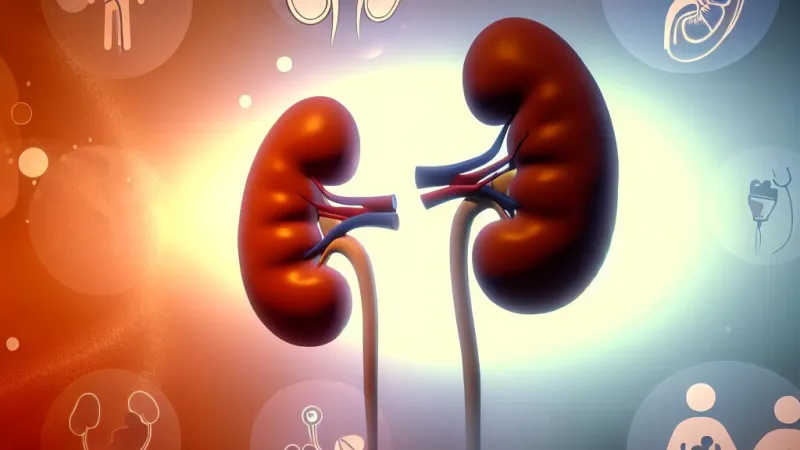
To appreciate the significance of their failure, one must first understand how the kidneys operate. Anatomically, each kidney comprises roughly a million microscopic filtration units known as nephrons. Each nephron elegantly balances three processes in its miniature labyrinth: filtration of blood, selective reabsorption of essential substances, and secretion of excesses or wastes.The kidney's most famous function is producing urine, but this is only one aspect. More importantly, the kidneys regulate blood composition—controlling the levels of sodium, potassium, and calcium, for example, and maintaining a constant internal environment (homeostasis) amidst varying dietary intakes and physical activities. By removing nitrogenous wastes like urea (a byproduct of protein metabolism), kidneys prevent toxic build-up in the blood.
The kidneys also have subtle but vital regulatory roles. Through the renin-angiotensin-aldosterone system (RAAS), they help maintain blood pressure. They’re key for acid-base balance, ensuring our blood’s pH remains within narrow, life-compatible margins. Moreover, they produce erythropoietin, a hormone prompting the bone marrow to produce red blood cells, and activate vitamin D for bone strength. When kidney function declines, all these systems begin to collapse, affecting virtually every major body system.
---
2. Causes and Pathophysiology of Kidney Failure
Kidney failure is broadly classified as acute or chronic. Acute kidney injury (AKI) refers to sudden deterioration, usually due to direct insult (such as severe infection, dehydration, or certain medications). In contrast, chronic kidney disease (CKD) develops over months or years and is irreversible, often progressing insidiously.Diabetes mellitus stands as the most common cause of CKD in the UK, responsible for around 30-40% of new cases (NHS Digital, 2023). High blood glucose damages the delicate blood vessels of the glomeruli (the kidney’s filtration units), leading gradually to atrophy and scarring—a condition known as diabetic nephropathy, immortalised in Ian McEwan’s *Saturday*, where the perils of unchecked diabetes become a theme.
Hypertension follows closely, as persistently raised pressure damages both large vessels and the minute capillaries feeding each nephron. Other causes include glomerulonephritis, where the body's own immune responses attack the kidney tissue, inherited conditions such as polycystic kidney disease (well-portrayed in contemporary medical documentaries on Channel 4), and obstructions (e.g., kidney stones or prostate enlargement).
At a microscopic level, all these insults boil down to a common story—damage to the glomeruli and tubules impedes efficient filtration and reabsorption, leading to blood retention of waste substances (azotaemia), fluid overload, and a cascade of electrolyte imbalances. Typically, signs emerge slowly: tiredness, swelling (oedema) of the ankles or around the eyes, unexplained itching, breathlessness, and occasionally a metallic taste in the mouth (uraemia). Acute cases, however, may advance rapidly to life-threatening complications.
---
3. Consequences of Kidney Failure on the Body
Kidney failure sends shockwaves throughout the body. Ineffective waste removal results in toxins accumulating, causing a malaise that’s difficult to articulate but impossible to ignore. Classic symptoms of advanced kidney failure (commonly called end-stage renal disease, or ESRD) include profound fatigue, confusion, and loss of appetite.Fluid overload is another major consequence. Without adequate excretion, excess water accumulates, leading to swelling and high blood pressure. In severe cases, this can cause fluid in the lungs (pulmonary oedema), making breathing even at rest a struggle—a scenario familiar to any junior doctor on a London NHS ward.
Electrolyte disturbances may be silent but deadly. Of particular concern is hyperkalaemia (high potassium), as potassium is critical for heart muscle function; even small increases can provoke life-threatening heart rhythm disturbances. Calcium and phosphate imbalances also arise, weakening bones and increasing cardiac risk.
The kidneys’ failure to regulate acid-base balance (typically leading to a state called 'metabolic acidosis') can trigger respiratory distress and impair enzyme functions necessary for energy production. Finally, with less erythropoietin, the bone marrow makes fewer red blood cells, leaving patients anaemic and breathless after minor exertion.
---
4. Medical Interventions and Management
Management of kidney failure revolves around four pillars: addressing the underlying cause, slowing disease progression, managing symptoms, and replacing lost kidney function when necessary.At early stages, vigorous control of blood pressure (often with ACE inhibitors) and blood glucose (especially in diabetes) can greatly delay progression. Regular blood and urine tests—routinely scheduled through NHS primary care—enable early detection and preemptive action. Qualified dietitians help patients adapt to new dietary restrictions, lowering salt, protein, and potassium intakes to ease the kidney's burden.
Medication regimes are personalised. Diuretics may relieve fluid overload, phosphate binders manage mineral balance, and erythropoietin injections combat anaemia. However, as CKD advances to its final stages, such measures prove inadequate, and more direct replacement of kidney function becomes essential.
---
5. Dialysis as a Lifesaving Procedure
Dialysis represents an artificial substitute for failing kidneys, enabling patients' survival while awaiting transplantation or as a long-term therapy. There are two principal types, each with distinct strengths and limitations.Haemodialysis is the more familiar: blood is channelled via tubes from the patient’s body into a specialised machine (usually thrice weekly, for several hours per session). A synthetic semi-permeable membrane acts as a filter, allowing waste products and excess electrolytes to diffuse out of the blood, whilst crucial proteins and cells are retained. Anticoagulants such as heparin are injected to prevent clotting in the machine’s circuits. Most sessions occur in dedicated NHS dialysis units, though home treatment—requiring significant patient training and home adaptations—is increasingly encouraged for suitable patients, in line with the NHS Long Term Plan (2019).
Peritoneal dialysis offers greater autonomy. Here, the patient’s own peritoneum (the lining of the abdominal cavity) acts as the dialysis membrane. A soft tube, inserted under local anaesthetic, anchors in the abdomen; dialysis fluid is instilled at regular intervals, left to dwell, and drained off along with dissolved wastes. This method grants flexibility and can be performed at home (and even overnight), making it popular among younger patients or those employed full-time. However, it carries a risk of infections such as peritonitis and relies heavily on the individual's or family's diligence for safe maintenance.
Though effective, dialysis is burdensome, both physically and psychologically. Side effects, time commitment, and dietary constraints take their toll—a reality vividly captured in Ken Loach’s films, which portray the everyday struggles of those reliant on long-term NHS care.
---
6. Kidney Transplantation – The Optimal Treatment
A kidney transplant—where a healthy donor kidney takes over the work of two—offers the closest return to pre-illness normality. The operation itself involves connecting the donor organ’s blood vessels to those of the recipient (usually in the lower abdomen) and attaching the ureter to the bladder. Contrary to common belief, the recipient’s own kidneys are generally left in situ unless causing specific problems.Transplants can originate from deceased or living donors—often a relative or (in rare, selfless cases) even a stranger, as chronicled in the media by the Organ Donor Register’s success stories. The principal challenge post-surgery is rejection: the immune system guards the body against foreign tissues with fierce efficiency. To subdue this, patients must take immunosuppressive medications for life, which leaves them more vulnerable to infections and certain cancers.
Nevertheless, the results are strikingly positive. Transplant recipients routinely experience improved well-being, independence, and life expectancy. Yet, as with all such resources, there are limitations—notably the ongoing shortage of suitable donor organs, which led to the 2020 change in law making all adults in England presumed donors unless they opt out. This remains an area of ethical debate and social education, with comprehensive public campaigns led by NHS Blood and Transplant.
---
7. Supporting Management and Lifestyle Adjustments
Given the chronic nature of most kidney failure, daily management goes far beyond hospital interventions.Dietary advice is individually tailored: avoiding excess salt, regulating protein (to reduce the build-up of urea), and limiting phosphate and potassium. Patients must also moderate fluid intake, particularly when on dialysis. Specialist renal dietitians play a vital role in the UK’s multidisciplinary approach to care.
Blood pressure, blood glucose, and cholesterol must be tightly managed, using medication where needed. Frequent reviews at renal clinics ensure prompt detection of complications, with support from nurses, pharmacists, and physiotherapists.
Perhaps most important is psychological support. The ongoing nature of the illness, with its repetitive hospital visits and dietary restrictions, can affect relationships, employment, and mental health. Renal charities—such as Kidney Care UK—offer counselling and practical assistance, underlining the NHS commitment to holistic care.
---
Conclusion
In sum, kidney failure represents a convergence of biological misfortune, lifestyle factors, and, sometimes, hereditary fate. Its consequences extend well beyond the nephrology ward, compromising every major body system and imposing enormous strains on individuals, families, and the NHS. While dialysis and transplantation provide lifelines, the ideal approach lies in prevention: aggressive management of diabetes and hypertension, lifestyle changes, and regular screening for at-risk individuals.Looking to the future, advances in regenerative medicine, artificial organs, and immune therapies offer hope for revolutionising treatment. For now, the key to better outcomes remains early intervention, dedicated multidisciplinary care, and a society-wide commitment to supporting both prevention and ethical organ donation.
The story of kidney failure is a sobering reminder of the interdependence of all human organs, and, more broadly, the social and ethical threads that bind us as a community determined to safeguard health for all.
Rate:
Log in to rate the work.
Log in