Biology B1 Explained: Digestion, Bile Function and Drug Testing Insights
This work has been verified by our teacher: 18.03.2026 at 18:50
Homework type: Essay
Added: 17.03.2026 at 6:00
Summary:
Explore Biology B1 concepts on digestion, bile function, and drug testing to understand human biology processes essential for UK secondary students’ success.
A Comprehensive Exploration of Biology B1: Digestion, Bile, and Drug Testing
---Biology B1 forms the bedrock of understanding living processes, offering students a window into the intricate workings of the human body. Among the many foundational topics in this first unit, the processes of digestion and the stringent procedures behind drug testing stand out, not only as theoretical constructs but also as issues of direct relevance to everyday health and wellbeing in the United Kingdom. From the way we absorb nutrients from a roast dinner to how medicines are developed, tested, and prescribed, these themes interface daily with our lives. In this essay, I will delve into the physiology of digestion, emphasising the specialised role of biological molecules such as enzymes and bile, before unpacking the multi-layered process of drug testing—with careful consideration to ethical, scientific, and social dimensions. The aim is to explore how a detailed knowledge of these processes not only informs academic study but empowers us to make informed decisions as patients, citizens, and future scientists.
---
Section 1: The Process of Digestion – Breaking Down Food for Absorption
1.1 Overview of the Digestive System
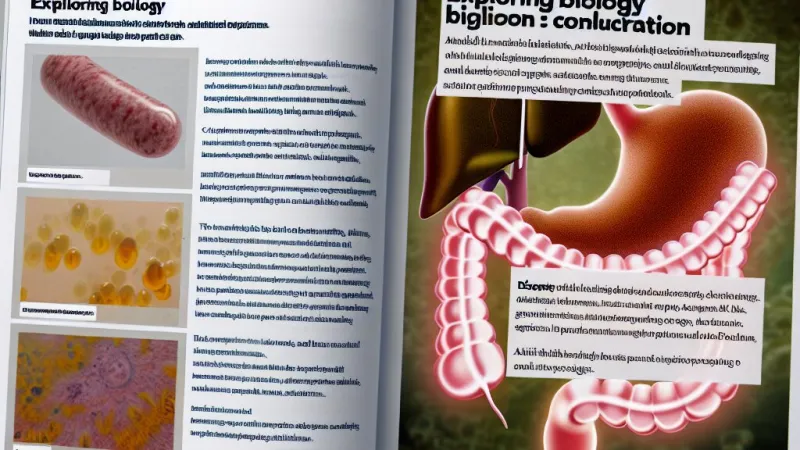
At its heart, the digestive system is a continuous muscular tube beginning at the mouth and ending at the anus. Its main purpose is to transform the wide diversity of foods we eat into essential nutrients, absorbable by the body, while safely disposing of waste. The journey commences in the mouth, where food is greeted by teeth and saliva, before passing through the oesophagus to the stomach—a muscular chamber—onwards into the winding small intestine, and finally through the large intestine to elimination.What makes digestion a sophisticated process is the dual role played by mechanical and chemical digestion. Mechanical (or physical) digestion involves crushing and mixing food, whereas chemical digestion refers to the enzymatic breakdown of complex molecules into simpler ones. Thus, digestion is best envisioned as a beautiful synchrony of physics and chemistry.
1.2 Physical (Mechanical) Digestion
Mechanical digestion is the stage-setter for everything that follows. Imagine biting into a crusty slice of granary bread: immediately, teeth grind and tear food into manageable pieces, while the tongue helps in mixing food with saliva. This bolus is then swallowed, sliding down the oesophagus thanks to the rhythmic contractions of its muscular walls—a process known as peristalsis.On reaching the stomach, this process intensifies. Here, the stomach’s robust longitudinal and circular muscles work together to churn and further break down food. This peristaltic movement is essential not just for agitation, but for efficient mixing with gastric juices, creating a semi-liquid mixture called chyme. The importance of such coordinated movement can be appreciated by considering motility disorders (such as gastroparesis), which can severely hinder nutrition and quality of life.
1.3 Chemical Digestion and Enzyme Activity
Having reduced the food particles physically, chemical digestion now takes centre stage, employing specialist proteins known as enzymes. Enzymes act as biological catalysts, meaning they speed up the breakdown of large, insoluble molecules into smaller, soluble forms that the body can absorb.Amylase, for instance, is secreted by the salivary glands and pancreas, targeting starches (such as those in potatoes) and converting them to sugars like maltose. Protease, abundant in the stomach (pepsin) and pancreas (trypsin), hydrolyses proteins into amino acids. Lipase, secreted chiefly by the pancreas, acts on fats (lipids), cleaving them into glycerol and fatty acids.
Each enzyme is suited to a particular region of the gut, reflecting highly specific pH and temperature preferences. The stomach, with its acidic environment (pH ~2), is ideal for pepsin, while the small intestine is alkaline—thanks to the activity of bile (discussed below)—and thus perfect for pancreatic enzymes. This elegant arrangement ensures maximal efficiency at every digestive stage.
1.4 Nutrient Absorption
After food has been physically reduced and chemically dismantled, the stage is set for absorption. This occurs mainly in the small intestine, which is fantastically adapted for the task. Its inner surface is lined with millions of tiny finger-like projections called villi, and even smaller microvilli, vastly expanding the surface area for absorption. Through both passive and active transport mechanisms, sugars, amino acids, fatty acids, and other nutrients pass through the walls of the villi and into the bloodstream or lymphatic system. Thus, through a combination of delicate structural adaptation and precise biochemical control, the digestive system efficiently fuels every cell of the body.---
Section 2: Understanding the Role of Bile in Digestion
2.1 Production and Composition of Bile
Bile is a critical, though often underappreciated, player in digestion. Produced by the liver and stored in the gall bladder, this alkaline fluid is released into the small intestine in response to fatty food intake. Its main components are bile salts, pigments (such as bilirubin), cholesterol, and water. The alkaline nature of bile serves to neutralise the acidic chyme that arrives from the stomach, thus providing the optimal pH for pancreatic enzymes.2.2 Bile’s Function in Fat Digestion
Unlike carbohydrates and proteins, fats are not readily soluble in water. Here, bile acts as a natural detergent. Through emulsification, bile salts break up large fat droplets into much smaller ones, significantly increasing the total surface area available for lipases to act upon. This is analogous to breaking a large log into kindling to allow a fire to burn more efficiently. Without bile, fat digestion and absorption would be dreadfully inefficient—a fact made apparent in individuals who have had their gall bladders removed, often resulting in dietary fat intolerance.2.3 Additional Importance of Bile
Beyond facilitating fat digestion, bile enables the absorption of fat-soluble vitamins—A, D, E, and K—crucial for vision, bone health, and blood clotting. It also plays a role in maintaining the alkaline pH of the small intestine, crucial for enzyme functioning. Disorders of bile production or flow (e.g., in cholestasis or gallstones) can therefore have wide-ranging consequences, from jaundice to malnutrition.---
Section 3: Drug Testing – Ensuring Safety and Effectiveness in Medicine
3.1 The Necessity of Drug Testing
One of the triumphs of modern science is the systematic testing of new drugs before public use. This is especially pertinent in the UK, with its robust regulatory framework (the Medicines and Healthcare products Regulatory Agency). Untested substances may be ineffective or outright dangerous, with tragic historical precedents such as the thalidomide crisis of the 1950s, which resulted in children being born with severe deformities due to lack of rigorous pre-market drug evaluation.3.2 Preclinical Testing
The first stage in drug development is preclinical testing, where compounds are assessed in computer models and in vitro cell cultures. These methods allow for early identification of toxicity or ineffectiveness, sparing unnecessary animal or human suffering and enabling cost-efficient screening of compounds. However, they have shortcomings in simulating the complex interactions within a whole living organism.3.3 Animal Testing in the UK
Britain has among the world’s strictest animal testing regulations, shaped by both legal and ethical frameworks. Animal testing is permitted for medicines, but prohibited for cosmetics and tobacco. Animals selected (commonly mice or rats) receive carefully calculated dosages, with their responses monitored for efficacy and side effects. Each study is subject to rigorous ethical review under the Animals (Scientific Procedures) Act 1986, with requirements to use alternatives where possible and to minimise suffering—a principle known as the “3Rs”: Replacement, Reduction, Refinement.3.4 Clinical Trials
Drugs that show promise in preclinical stages progress to clinical trials. These are structured in phases: Phase I (small group of healthy volunteers) determines safety and dosage; Phase II extends to patients for preliminary efficacy and side effect monitoring; Phase III involves a much larger group, often using “double-blind” methods where neither doctor nor patient knows who receives the drug or a placebo. Informed consent and the right to withdraw at any stage are sacrosanct. Bodies such as the NHS Health Research Authority oversee these trials, ensuring both scientific rigor and patient welfare.---
Section 4: Integrating Knowledge – The Interplay Between Digestion and Drug Testing
4.1 Drug Absorption and Metabolism in the Digestive System
Many drugs are administered orally, which means they must withstand the harsh chemical conditions of the stomach and intestines. Stomach acid can degrade certain drugs; enzymes can inactivate others. Additionally, the absorption of lipid-soluble drugs often depends on the presence of bile for emulsification and absorption via the villi. Enteric-coated tablets have been developed to bypass stomach acid, releasing their contents only when safely in the small intestine.4.2 Impact of Digestion on Drug Efficacy and Safety
Individual differences in digestive speed, enzyme levels, and intestinal pH can all influence how quickly and how effectively a drug works. Some people, for instance, may metabolise drugs more rapidly, reducing effectiveness, while others run the risk of toxicity. Hence, clinical trials must involve a diverse sample and account for such variability. This reality makes digestion an essential consideration not only for food, but for medicine administration and development.---
Section 5: Practical Implications and Future Perspectives
5.1 Advances in Digestive Health and Medicine
Emerging treatments for conditions such as pancreatic insufficiency (where enzymes are lacking) involve enzyme supplements. New surgical and therapeutic approaches help people with bile duct problems or coeliac disease. Innovative drug formulations, such as slow-release or targeted delivery capsules, show the direct application of physiological understanding to practical medicine.5.2 Ethical and Scientific Developments in Drug Testing
The future promises exciting alternatives to animal testing—advances in “organ-on-a-chip” technologies, computer simulations, and the use of human stem cells mean scientists can learn more while causing less harm. Public debates and tighter legislation continue to influence the development of safer medicines.5.3 Tips for Students Studying Biology B1 Topics
To master these topics, students should break down processes, visualise them with diagrams (for example, tracing food from mouth to anus or tracking the phases of a drug trial), and relate theory to contemporary issues (such as vaccine development or digestive disorders). Learning the definitions of key terms like “emulsification,” “peristalsis,” and recognising the interplay between body systems will turn dry facts into a dynamic understanding.---
Rate:
Log in to rate the work.
Log in