How Essential Minerals and Active Transport Drive Plant Growth in GCSE Biology
This work has been verified by our teacher: 4.04.2026 at 10:12
Homework type: Essay
Added: 3.04.2026 at 8:49
Summary:
Explore how essential minerals and active transport support plant growth in GCSE Biology, helping students understand key processes for top exam success.
The Role of Essential Minerals and Active Transport in Plant Growth and Development
In the world of living organisms, plants hold a unique position as primary producers, converting energy from sunlight into chemical forms usable by themselves and by creatures up the food chain. A cornerstone of plant health lies not only in their ability to manufacture sugars via photosynthesis but also in their success at obtaining vital nutrients from their environment. This essay explores the central importance of mineral nutrients in plant growth, with particular attention to how plants actively acquire these essential substances. Moreover, we will examine how these principles, forming a significant part of the GCSE Biology curriculum, underpin much of our understanding of photosynthesis, respiration, and broader plant physiology—a knowledge base indispensable for both gardeners and farmers in the United Kingdom and around the globe.
Fundamental Role of Minerals in Plant Growth
Definition and Significance of Mineral Nutrients
Mineral nutrients are inorganic substances plants must absorb from soil or water to complete their lifecycle. Unlike carbohydrates, proteins, or fats, which plants can manufacture from basic substances, these minerals must be sourced externally. Within the UK educational framework, minerals are typically divided into macronutrients—those required in moderate to large quantities—and micronutrients, needed in trace amounts. For the purposes of plant science at school level, focus often rests on macronutrients, the absence of which can rapidly lead to visible ill health.Primary Minerals Essential for Growth and Their Functions
1. Nitrates (Source of Nitrogen) Nitrogen is considered the backbone of plant growth. Absorbed by roots in the form of nitrate ions, nitrogen is a constituent of amino acids, the primary molecules making up proteins necessary for cellular structure, biochemical reactions, and new tissue formation. Furthermore, nitrogen forms part of the chlorophyll molecule, which absorbs sunlight during photosynthesis. If you have ever noticed how lush and deep green the leaves of a well-fertilised tomato plant appear in an allotment, you are seeing nitrogen at work.2. Phosphates (Source of Phosphorus) Phosphorus, present as phosphate ions, is indispensable for genetic material like DNA and RNA, the molecules encoding an organism’s instructions for growth and reproduction. Phosphates also build ATP (adenosine triphosphate), often described as the cell’s ‘energy currency’, fueling nearly every process in a plant’s life. Furthermore, phosphorus is involved in the development of cell membranes, which control the passage of substances in and out of cells.
3. Potassium Renowned for regulating enzyme activity, potassium ions play a pivotal role in both photosynthesis and respiration. Potassium assists in osmotic balance, helping the opening and closing of stomata—the microscopic pores through which plants exchange gases. In practice, this is a critical determinant of water use and survival during the UK’s dry spells or unexpected heatwaves. Potassium is also essential for the setting and ripening of fruit, a central concern for UK growers of apples, plums, and blackcurrants.
4. Magnesium At the very core of the chlorophyll molecule sits a magnesium ion. It is no exaggeration to say that without magnesium, a plant quite literally cannot harness the sun’s energy. Because of this, even slight shortfalls in magnesium supply can lead to a significant reduction in a plant’s ability to photosynthesise efficiently.
Sources of Mineral Nutrients
In nature, most minerals become available to plants through the weathering of rocks and decomposition of organic matter, slowly releasing soluble ions into the soil. However, with increased agricultural production and the desire for higher yields, UK farmers commonly apply fertilisers to replenish soil mineral stocks. These may be organic (like well-rotted manure) or inorganic (manufactured compounds specific to plant needs). Matching the mineral content of the fertiliser to the requirements of crops or garden plants is crucial, for both optimal productivity and environmental stewardship.Consequences of Mineral Deficiencies on Plant Health
Overview of Deficiency Symptoms
A shortage of any essential mineral generally produces a distinct set of signs, both in terms of leaf or shoot appearance and more subtle disruptions to internal processes. Recognising these signs is not just an academic exercise—across Britain’s countryside and in city gardens, early identification can mean the difference between a bumper harvest and disappointment.Details of Symptoms per Mineral
- Nitrogen Deficiency: Older leaves often lose their rich green hue, turning yellowish as chlorophyll content dwindles (a symptom termed ‘chlorosis’). Plants exhibit stunted growth, an effect often spotted in neglected municipal flower beds.- Phosphorus Deficiency: Roots may remain spindly and underdeveloped, making plants less stable and less able to draw up water. Leaves may take on a dark green or, quite strikingly, develop purplish tones, sometimes seen in sugar beet and brassicas grown in phosphorus-deficient soils.
- Potassium Deficiency: Leaf margins brown or scorch, a condition seen in potato crops in the Fens, while poor flowering and shrivelled fruit are common signs in greenhouse tomatoes and soft fruit canes.
- Magnesium Deficiency: An unmistakable yellowing appears between veins of older leaves, giving a stripped appearance while veins themselves remain green. This is particularly notable in tomatoes and roses in the UK, especially on light, sandy soils.
Broader Impact on Plant Productivity
More than aesthetic problems, mineral deficits result in weaker plants vulnerable to drought, disease, and pests. Crop yields decline, threatening farm incomes and food prices, with implications felt from the supermarket to the village fete.Mechanisms of Mineral Uptake in Plants
Root Structure and Mineral Absorption
Mineral uptake begins in roots, especially via the delicate root hair cells, which provide an enormous surface area for absorption. The root-soil interface is a dynamic frontier, with each plant species displaying unique adaptations to access minerals in competition with neighbouring plants and soil microflora.Passive vs Active Transport Mechanisms
At first glance, it might seem plants could simply soak up minerals by passive processes such as diffusion or osmosis. However, most environmental mineral concentrations are far lower than those found within actively growing root cells. Herein lies a challenge: to survive, plants require a means of drawing in minerals even when soil concentrations are minimal.Active Transport in Detail
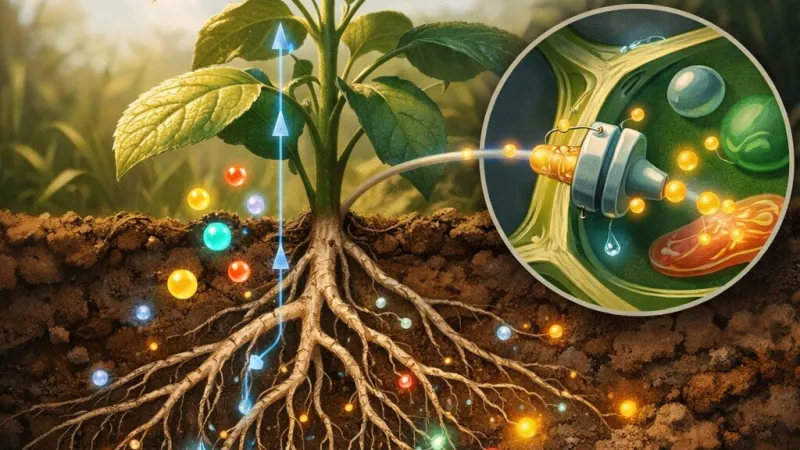
Active transport is the solution. This cellular process requires energy (in the form of ATP) and involves specialist proteins or ‘pumps’ embedded in root cell membranes. These proteins selectively transport ions against the concentration gradient, concentrating vital minerals within the plant. The energy used derives from cell respiration, meaning root mitochondria are particularly numerous and active.This system allows plants to thrive even in the ancient, weathered soils of the UK—where minerals can sometimes be meagre—by adjusting their internal chemistry to meet growth demands. Peat bogs and upland heaths, for example, host plants specially adapted to such mineral-poor conditions, displaying some of the most fascinating examples of ecological resilience.
Rate:
Log in to rate the work.
Log in