Understanding Coordination, Nutrition and Drug Impact in GCSE Biology
This work has been verified by our teacher: 25.04.2026 at 16:26
Homework type: Essay
Added: 24.04.2026 at 12:56
Summary:
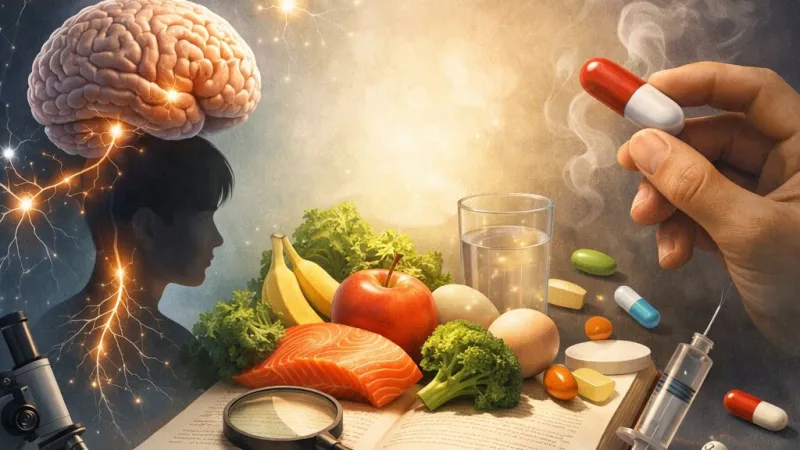
Explore GCSE Biology concepts on coordination, nutrition, and drug impact to master key topics and enhance your exam success and understanding 📘
Introduction
The study of Biology at GCSE level provides an opportunity to not only gain vital knowledge but also to appreciate how science is intertwined with everyday life. Within Part 1A of the curriculum, students focus primarily on coordination and control of biological systems, healthy eating, and drug misuse – all concepts centrally important not just for examination, but for making informed choices in the wider world. Understanding the intricate ways in which the human body maintains balance through sophisticated control systems, the role of nutrition in health, and the devastating impact drugs can have are skills that transfer far beyond the classroom. This essay will delve into these themes in depth, offering clear explanations, relevant cultural examples such as the prevalence of certain health conditions in the United Kingdom, and tips for succeeding in GCSE Biology examinations.Section 1: Coordination and Control in Living Organisms
1.1 The Body’s Coordination Systems: Nervous versus Hormonal
To sustain life, organisms need robust systems to sense, interpret, and respond to their environment. In humans and other animals, coordination is achieved primarily by the nervous and hormonal (endocrine) systems.The nervous system operates at remarkable speeds. It comprises specialised cells called neurones, which transmit electrical impulses from sensory receptors (such as those in your skin or eyes) to the central nervous system (brain and spinal cord), and then onwards to effectors like muscles or glands. For example, when you touch a very hot surface, temperature-sensitive receptors stimulate impulses that travel rapidly via sensory neurones, cross synapses (the tiny gaps between neurones), and reach effectors that prompt you to pull your hand away almost instantly. These responses are generally quick and short-lived.
In contrast, the endocrine system relies on glands scattered throughout the body, such as the pituitary and thyroid glands, and chemical messengers called hormones. Hormones are released directly into the bloodstream and travel to target organs, often taking longer to act but with more sustained effects. Classic examples include insulin, secreted by the pancreas to regulate blood glucose levels, and adrenaline from the adrenal glands, which triggers the body’s ‘fight or flight’ response.
The key differences between these two systems are worth remembering: the nervous system works through direct electrical impulses and is almost instantaneous, while the endocrine system utilises slower, chemical communication with longer-lasting effects. Sometimes both systems work together – for instance, in situations of fright, where the immediate fear response (fast heartbeat, sweaty palms) is triggered by nervous impulses but maintained by hormones such as adrenaline.
1.2 Reflex Actions: Nature’s Emergency Procedures
Reflexes are automatic, unconscious responses to stimuli designed to protect the body from harm. The classic example, described in many British classrooms, is the withdrawal of a hand from something hot. The path taken by nerve impulses in such cases is called a reflex arc.A typical reflex arc begins with a receptor detecting a stimulus (for example, a pin prick), sending an impulse via a sensory neurone to the spinal cord. Inside the spinal cord, a relay neurone passes the message to a motor neurone, which then activates an effector muscle, causing a rapid withdrawal. Importantly, the brain is not involved in executing the immediate response, thus saving precious milliseconds.
Another well-known reflex is the knee-jerk response, often demonstrated during health checks. In exams, students are sometimes asked to apply their knowledge to new scenarios; it pays to remember the sequence of transmission (receptor → sensory neurone → relay neurone → motor neurone → effector), and to avoid using vague terms like ‘message’ when describing nerve impulses.
1.3 The Menstrual Cycle and Hormonal Control
The menstrual cycle is a prime example of biological regulation through hormones and negative feedback mechanisms. Typically lasting around 28 days, the cycle involves a well-orchestrated pattern of hormone release that controls ovulation and prepares the body for a potential pregnancy.At the start of the cycle, follicle-stimulating hormone (FSH) from the pituitary gland stimulates the maturation of an egg in the ovary. As the egg matures, the ovary produces oestrogen, which thickens the uterine lining and inhibits further FSH production, acting as a regulatory ‘brake’. Midway through the cycle, a surge of luteinising hormone (LH) triggers ovulation – the release of the matured egg. After ovulation, progesterone is secreted, further developing the womb lining and suppressing both FSH and LH, thus completing the feedback loop.
Physiological changes throughout the cycle are significant – from the growth and release of an egg, to the cyclical build-up and breakdown of the uterine lining. Understanding these interactions is crucial not only for academic exams but also for discussions around contraception and reproductive health. Common pitfalls in answering exam questions include mixing up the roles or timing of each hormone, so clarity is essential.
1.4 Artificial Control of Fertility and Reproductive Technologies
Britain has a long history of public debate regarding contraception and fertility treatments. The combined contraceptive pill, for example, uses synthetic oestrogen and progesterone to prevent ovulation. There are other options, such as barrier methods (condoms, diaphragms) and hormone-based implants, but hormonal methods directly manipulate the body’s regulatory machinery.For couples struggling to conceive, fertility treatments may involve administering FSH to stimulate the development of multiple eggs or using in vitro fertilisation (IVF) – fertilising eggs externally before implanting the embryo into the womb. While these technologies have enabled many to build families, they have sparked ethical discussions surrounding intervention in human reproduction, ‘designer babies’, and the accessibility of NHS-funded treatments. In exams, balanced answers that acknowledge both the scientific and social facets tend to score highly.
1.5 Maintaining Internal Conditions: Homeostasis
Homeostasis refers to the precise regulation of the body’s internal environment – such as temperature, water, ion balance, and blood sugar – so that conditions remain ideal for cellular function. The concept is elegantly illustrated by the story of Goldilocks: too hot or too cold, too high or too low, is never just right.The pancreas monitors and adjusts blood sugar, releasing insulin to lower glucose or glucagon to raise it if necessary. The kidneys regulate water and salt balance, removing waste via urine. Thermoregulation is controlled by the hypothalamus in the brain, which detects blood temperature and, via effectors like sweat glands and blood vessels, makes adjustments accordingly – sweating to cool, shivering to heat up. These homeostatic mechanisms are vital for survival and illustrate the interconnectedness of body systems.
Exam questions often ask students to explain these processes in new scenarios – for instance, how diabetes affects glucose balance or why dehydration impacts athletic performance.
Section 2: Healthy Eating and Lifestyle
2.1 Understanding a Balanced Diet
A balanced diet delivers the right quantities of macronutrients (carbohydrates, proteins, fats), micronutrients (vitamins, minerals), water, and fibre. The UK’s Eatwell Guide is a familiar diagram in many classrooms, outlining proportions for different food groups.Metabolism – the sum of chemical reactions in the body – depends on a ready supply of nutrients and is influenced by factors such as age, activity level, and genetics. An active teenager playing for the school’s football team requires more energy than a sedentary adult. When the energy taken in (through food) exceeds expenditure, weight gain occurs; if it falls short, weight loss or undernutrition results. Malnutrition can take the form of deficiency diseases (e.g., scurvy from Vitamin C deficiency), while over-nutrition leads to obesity and its complications. Examiners want clear explanations distinguishing rate (energy expenditure) from amount (energy intake).
2.2 Weight Issues: Obesity and Associated Health Risks
Obesity has become an increasing concern in the UK, with Public Health England regularly reporting worrying rises in children and adult obesity rates. It’s typically defined using body mass index (BMI) and arises when calorie intake consistently outstrips calorie expenditure.The consequences stretch beyond appearance. Obesity is a major risk factor for cardiovascular diseases, such as coronary heart disease and hypertension; it raises the likelihood of Type 2 diabetes by making the body's cells less sensitive to insulin; and it contributes to joint problems and arthritis due to extra weight. Mental health can suffer too, with links to anxiety and depression. Prevention hinges on lifestyle – a healthy diet combined with regular exercise is the gold standard. In examinations, students should aim to list several specific conditions and articulate their connections to obesity.
2.3 The Impact of Fast Food on Health
The increasing popularity of fast food, characterised by high levels of saturated fat, salt, and sugar, is a key contributor to Britain’s public health crisis. Many fast food items offer energy-dense but nutrient-poor meals, which can quickly increase cholesterol levels – particularly the harmful low-density lipoprotein (LDL), sometimes dubbed ‘bad’ cholesterol.High intake of saturated fats leads to the build-up of fatty deposits in blood vessels, a process called atherosclerosis, which increases the risk of heart attacks and strokes. By contrast, high-density lipoprotein (HDL) – or ‘good’ cholesterol – helps remove excess cholesterol. Medications such as statins can lower LDL cholesterol, and are sometimes prescribed to those with high cardiovascular risk.
Culturally, the UK faces a growing debate about responsibility – should individuals be blamed, or is it up to government and schools to educate and regulate? Campaigns such as ‘Change4Life’ promote healthier choices, reminding students that societal context is an important angle in exam essays.
Section 3: Drug Abuse and Its Effects
3.1 Understanding Drugs: Legal and Illegal
Drugs, whether legal like tobacco and alcohol, or illegal like cannabis and heroin, alter the body’s chemistry. Some are medicinal and carefully regulated (antibiotics, painkillers), but others, particularly recreational drugs, can be highly addictive.Addiction involves changes in brain chemistry, particularly the production and response to neurotransmitters like dopamine. With prolonged use, the brain becomes dependent, leading to withdrawal symptoms if the drug is not taken – a mechanism well-explained in GCSE textbooks and by real-life stories featured in British news and health campaigns.
Examples found in the UK include tobacco (responsible for thousands of premature deaths annually), alcohol (which is tightly regulated in terms of age and location), and illegal substances such as MDMA and heroin. The damaging effects include not just physical harm to organs, but also psychological impacts and social problems.
3.2 Health and Social Implications of Drug Abuse
The repercussions of drug abuse are vast. Physically, drugs can cause lung cancer (smoking), liver cirrhosis (alcohol), heart disease, and even death from overdose. Mental health can decline, with increased risk of depression, anxiety, and psychosis. Socially, drug misuse often leads to family breakdown, job loss, crime, and heavy economic costs for the NHS and law enforcement.GCSE examiners favour well-rounded answers that consider both biological and social consequences. Students should avoid being one-sided and remember that the effects ripple out from the individual to society as a whole.
Conclusion
In summary, GCSE Biology Part 1A provides a crucial foundation for understanding how the body is controlled and protected, how lifestyle choices determine health, and why drug misuse is so damaging. Coordinated by rapid nervous impulses and slower, wide-reaching hormones, human physiology is a marvel of balance, constantly maintained by homeostatic mechanisms. Yet, that balance can easily be tipped by poor diet or substance misuse. Mastery of these topics is not just a route to exam success, but a stepping stone towards healthier, more informed living.For students, it is vital to not only memorise key facts but to understand the principles underlying them, to practise applying knowledge to real-life and exam scenarios, and to appreciate the wider social and ethical contexts inherent in modern biology.
Additional Exam Preparation Tips
- Always use precise terms such as 'impulse' instead of vague words like ‘message’ when discussing the nervous system. - When faced with unfamiliar exam scenarios, apply underlying biological principles instead of relying on rote recall. - Present well-balanced, nuanced answers, especially on topics like fertility treatments and drug misuse. - Practise drawing and labelling diagrams – reflex arcs, hormonal cycles – as these frequently feature in exam papers. - Learn several examples for each condition or process, so your answers achieve the breadth examiners are looking for.By thoroughly engaging with the curriculum, thinking critically about issues, and by applying knowledge thoughtfully, students can both excel in their exams and make informed choices in the present and future.
Rate:
Log in to rate the work.
Log in