In-depth Analysis of AQA Biology Unit 1: Pathogens and Health Factors
This work has been verified by our teacher: 4.06.2026 at 15:27
Homework type: Essay
Added: 1.06.2026 at 12:17
Summary:
Explore AQA Biology Unit 1 to understand pathogens, disease spread, and health factors. Learn key concepts that boost knowledge in infection and lifestyle impacts.
A Comprehensive Exploration of Biology Unit 1 (AQA): Pathogens, Epidemiology, and Lifestyle Factors Affecting Health
Biology Unit 1, as outlined in the AQA syllabus, explores some of the most vital themes underpinning our understanding of human health and disease. At its core, this unit interrogates the interplay between the human body and disease-causing agents, unpicks the patterns with which diseases spread, and investigates how factors within our control can influence our wellbeing. In a country such as the United Kingdom, where both communicable and non-communicable diseases pose persistent public health challenges, such knowledge is not simply academic—it shapes national health policies and informs everyday choices.
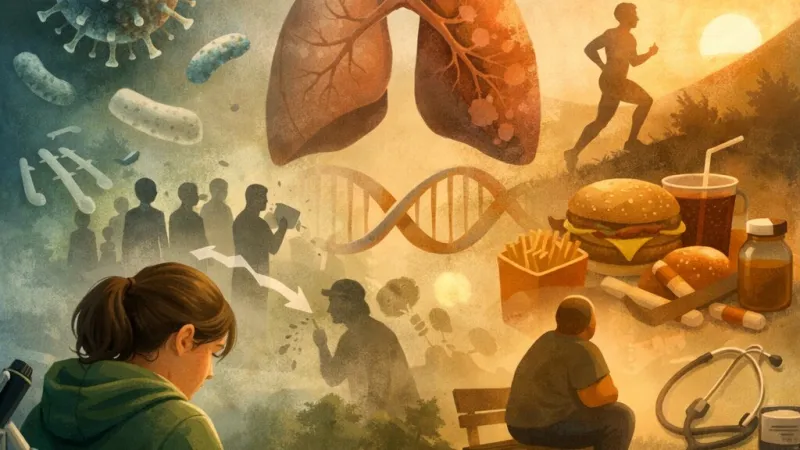
This essay is structured to provide a thorough and critical analysis of three interconnected themes central to Biology Unit 1: firstly, the nature of pathogens and the process of infection; secondly, the field of epidemiology as a lens for understanding and controlling the spread of disease; and finally, the ways in which lifestyle choices affect individual and societal health. Throughout, British literary references and recent UK case studies will lend context, culminating in a discussion of practical applications relevant to students and public health alike.
---
I. Understanding Pathogens and Their Role in Disease
A. Defining Microorganisms and Pathogens
The term "microorganism" refers to microscopic life forms—such as bacteria, viruses, fungi, and protozoa—that are found virtually everywhere. Many are benign or even beneficial: for instance, Lactobacillus bacteria play a key role in yoghurt production and in maintaining gut health, a concept explored in essays by British food writers and public health campaigners alike. Yet, a subset of these organisms—known as pathogens—can induce disease in their hosts. Importantly, not all microorganisms are detrimental; the distinction lies in whether an organism causes harm by provoking illness or damaging cells.Pathogens are further classified by their biological characteristics. Bacteria, exemplified by *Streptococcus pyogenes* which causes scarlet fever, are single-celled organisms with rapid reproductive cycles. Viruses, conversely, such as influenza and SARS-CoV-2, are acellular particles that hijack host machinery to replicate. Fungi, including the common cause of athlete’s foot (*Trichophyton* species), and protozoa, such as the *Plasmodium* parasites responsible for malaria, complete the pathogenic quartet that will be explored further.
B. Mechanisms of Pathogen Infection
For a microorganism to be identified as a pathogen, it must successfully breach the body's external and internal barriers, establish itself within host tissues, evade or counteract immune responses, and ultimately cause measurable harm, whether via direct cell destruction or disruption of physiological processes. In some instances, as with streptococcal throat infection, individuals may harbour pathogens without developing symptoms—a phenomenon distinguished as colonisation, in contrast to symptomatic disease.C. Routes of Entry and Interfaces Between Host and Environment
Understanding how pathogens gain entry to the human body is pivotal. The concept of biological interfaces is central here; these are transition zones where the internal environment meets the external world. The skin is the most visible barrier—a topic famously illustrated by Roald Dahl in "George’s Marvellous Medicine" when George accidentally creates a powerful concoction that irritates the skin. Whilst intact skin is highly effective at excluding microbes, it can be breached by cuts, burns, or via bites from insects (as in the case of malaria).More vulnerable still are mucous membranes lining the respiratory, digestive, and reproductive tracts. These are thin, moist surfaces optimised for nutrient and gas exchange but consequently are susceptible to microbial invasion. The inhalation of flu viruses, consumption of contaminated water (recalling the cholera outbreak tracked by Dr John Snow in 1854 London), or exposure through sexual activity epitomise these risks.
D. Host Defence Mechanisms Against Pathogens
The body’s first line of defence consists of physical and chemical barriers. These include the toughness of keratinised skin, the stickiness of mucus which traps invaders, the action of cilia in the respiratory tract sweeping out debris, and the activity of antimicrobial enzymes like lysozyme in tears and saliva. The stomach's acidity is hostile to ingested pathogens—a concept regularly tested in food hygiene training across the UK. Collectively, these mechanisms work in concert; should one defence fail, others may compensate, providing a robust system that is generally effective but not infallible.E. Impact of Pathogens on Host Physiology
Pathogens impact host physiology both directly and indirectly. The most overt route is by physically damaging tissues, as when the *Mycobacterium tuberculosis* bacterium erodes lung tissue, which is depicted dramatically in the memoir "Spillover" by David Quammen. Many bacteria also release toxins: endotoxins embedded in the cell wall, leading to systemic effects when the bacteria die, and exotoxins actively secreted, such as the botulinum toxin, which is one of the most potent biological substances known. The severity of symptoms correlates with both the number of invading organisms (pathogen load) and the individual’s immune response.---
II. Epidemiology: Analysing Disease Patterns to Control Outbreaks
A. Overview of Epidemiology and Its Significance
Epidemiology, the discipline concerned with the incidence, distribution, and control of diseases, forms the cornerstone of modern public health. In the UK, the pioneering work of Florence Nightingale—who used epidemiological data to improve sanitation in Victorian hospitals—demonstrates the longstanding relevance of this field. Through careful analysis, epidemiologists can identify the cause of an outbreak, track its progression, and recommend effective interventions.B. Data Collection and Interpretation in Epidemiology
Gathering valid and reliable data is paramount. This involves large-scale surveys, the analysis of clinical records, and, in contemporary times, the computation of health data at the population level. The COVID-19 pandemic in Britain highlighted the importance of timely and accurate data reporting: delays or inaccuracies can lead to poor policy decisions. Epidemiologists must be vigilant against biases in sampling that could skew results—for instance, focusing exclusively on hospital cases may underrepresent mild infections in the community.Statistical methods also allow for the distinction between correlation and causation: a pitfall memorably recounted by Ben Goldacre in "Bad Science," who critiques media misinterpretations of health trends. Only with careful study design—preferably using controlled trials or longitudinal studies—can true causal connections be established.
C. Critical Evaluation of Epidemiological Studies
Critical thinking is indispensable. Students must assess whether a study’s aims, methodology, and data sources are sound. Conflicts of interest—such as researchers with ties to the sugar or tobacco industries—have, historically, undermined public trust. The value of repeated studies is paramount; for instance, analyses of heart disease patterns in Glasgow were only validated once findings were corroborated by further studies across England and Wales. Policy blunders, such as overestimating the role of a single dietary factor in heart disease, often stem from overreliance on poorly executed studies or misinterpretation of preliminary data.---
III. Lifestyle Factors and Their Influence on Health Outcomes
A. Conceptualising Risk and Hazard in Health
"Risk" in a health context constitutes the probability that exposure to a hazard will result in harm. This concept is central to both personal and public health decision-making. For example, the risk of developing Type 2 diabetes increases with both the duration and intensity of obesity (the hazard), making lifestyle modification a key preventive strategy.B. Lifestyle Choices Contributing to Disease Development
Non-infectious diseases, those most influenced by lifestyle, are particularly prevalent in developed nations. Cancer and coronary heart disease (CHD) lead the UK’s mortality statistics, reflecting changes in diet, activity, and habits.C. Specific Lifestyle Risk Factors for Cancer
One of the most significant contributors to cancer risk is smoking. The UK’s own Sir Richard Doll established the link between tobacco and lung cancer with studies dating back to the 1950s. Carcinogens in cigarette smoke initiate mutations in DNA, while quitting smoking demonstrably lowers risk over time.Diet also plays an influential role, with high consumption of processed foods and red meat, and low intake of fruit, vegetables, and fibre, associated with higher incidences of bowel and stomach cancers. Antioxidants in fruit and vegetables are thought to neutralise dangerous free radicals, while dietary fibre aids the removal of carcinogens from the colon.
Obesity represents a further risk, as excess fat tissue releases hormones and inflammatory substances linked to the development of certain cancers. Physical inactivity exaggerates these effects, as does unprotected exposure to ultraviolet radiation, leading to higher rates of skin cancer—a concern addressed by national campaigns such as Cancer Research UK’s "SunSmart" initiative.
D. Lifestyle and Coronary Heart Disease
CHD remains the number one cause of death in the UK, in part due to modifiable risk factors. Smoking promotes the buildup of fatty plaques (atherosclerosis), while stress and diets high in salt or saturated fat raise blood pressure, further taxing the heart. An imbalance between ‘bad’ (LDL) and ‘good’ (HDL) cholesterol, driven largely by dietary choices, can choke arteries, leading to heart attacks. Tackling obesity through exercise and diet thus becomes a vital intervention, as do public smoking bans and NHS-supported cessation programmes.---
IV. Integration and Application: Preventing Disease Through Biology and Lifestyle Knowledge
A. The Interconnectedness of Pathogens, Epidemiology, and Lifestyle
A robust understanding of pathogens helps refine infection control measures, such as improved hospital hygiene protocols following MRSA outbreaks in NHS wards. Epidemiological insights guide vaccination campaigns, such as the national rollout of the HPV vaccine to reduce cervical cancer rates. Meanwhile, awareness of lifestyle-related risk factors empowers individuals and communities to make informed, healthier choices.B. Public Health Implications and Strategies
National vaccination programmes, anti-smoking campaigns, and food labelling policies represent the synthesis of biological understanding and epidemiological evidence in action. The British government’s Change4Life campaign, for example, draws upon both strands to encourage healthier eating and more active lifestyles.C. Future Directions and Personal Responsibility
Looking ahead, ongoing research in pathogen resistance and advanced disease tracking technology promises to enhance outbreak prevention. Yet, as science advances, so too must public engagement and individual responsibility. Students are well placed to champion informed lifestyle decisions, armed with a multidisciplinary understanding fostered by modern biology education.---
Conclusion
In sum, AQA’s Biology Unit 1 encapsulates a pragmatic and interconnected view of health, rooted both in molecular detail and sociological awareness. Understanding the biology of pathogens provides the groundwork for disease prevention, whilst epidemiological analysis informs public health action. Above all, lifestyle choices remain the cornerstone of long-term wellbeing, highlighting the individual’s agency amid complex societal and environmental influences. For students, this knowledge is not just a syllabus requirement but a blueprint for healthier, more informed living.---
Rate:
Log in to rate the work.
Log in