GCSE Biology B7: Cellular Respiration and Energy Production Explained
This work has been verified by our teacher: 21.01.2026 at 18:59
Homework type: Summary
Added: 20.01.2026 at 15:38
Summary:
Explore GCSE Biology B7 to understand cellular respiration and energy production, learning key processes that power life in plants and animals effectively.
Understanding Cellular Respiration and Energy Production: Comprehensive GCSE Biology B7 Notes
Energy forms the lifeblood of all living organisms, underpinning every heartbeat, every step, and even the silent activities inside the smallest plant or bacterium. Within the OCR and AQA biology syllabuses across the United Kingdom, the topic of cellular respiration is a cornerstone concept that ties together biochemistry, physiology and ecology. Yet, it is also one of the most misunderstood areas of biology, often confused with the act of simply "breathing". This essay aims to unravel the complexity of respiration at the cellular level, distinguishing its true meaning and exploring how energy is intricately produced, stored, transferred and used across living systems. By delving into the mechanisms of both aerobic and anaerobic respiration, this discussion will not only highlight theoretical knowledge but also relate it to practical implications in daily life and the wider world. Ultimately, we will see how the humble process of respiration lies at the heart of life itself.
The Nature of Energy in Biological Systems
Within biology, "energy" typically refers to chemical energy – the kind stored in bonds between atoms in molecules such as glucose. Every living thing, from a towering oak to a common garden snail, must have access to this energy to survive. For humans, food provides carbohydrates, fats, and proteins, but it is glucose that stands out as the primary molecule used for rapid energy release in our cells. Imagine it as the “currency notes” in the metaphorical bank account of the cell: always ready to be spent where needed.The journey from the energy stored in food to usable cellular energy is a story of transfers and transformations. When we eat, our digestive system breaks down complex food molecules into simpler ones, with glucose being a key product. However, this energy is not used up all at once or set aflame like burning coal – it is gradually released through controlled processes. Crucially, this process involves the conversion of glucose’s stored energy into adenosine triphosphate (ATP). Often described in textbooks as “the universal energy currency”, ATP allows cells to perform their everyday functions, from building new molecules to generating nerve impulses.
There is an important distinction between energy being "stored" (as in glucose or fat reserves) and "transferred" (as when ATP donates its stored energy to fuel muscular contraction). Recognising this difference is vital for understanding why living organisms have intricate systems for both storing reserves and making energy quickly available on demand.
Cellular Respiration – What Is It Really?
It is important to address a perennial misconception among GCSE students: respiration is not merely breathing. While breathing refers to the physical act of drawing air into the lungs and expelling carbon dioxide, respiration in the biological sense is a chemical process occurring inside all living cells.Cellular respiration is the stepwise breakdown of glucose, mainly in the presence of oxygen, to release energy. This energy is captured in the form of ATP. The fundamental equation representing aerobic respiration is:
Glucose + Oxygen → Carbon Dioxide + Water + Energy (ATP)
Or more precisely:
C₆H₁₂O₆ + 6O₂ → 6CO₂ + 6H₂O + Energy
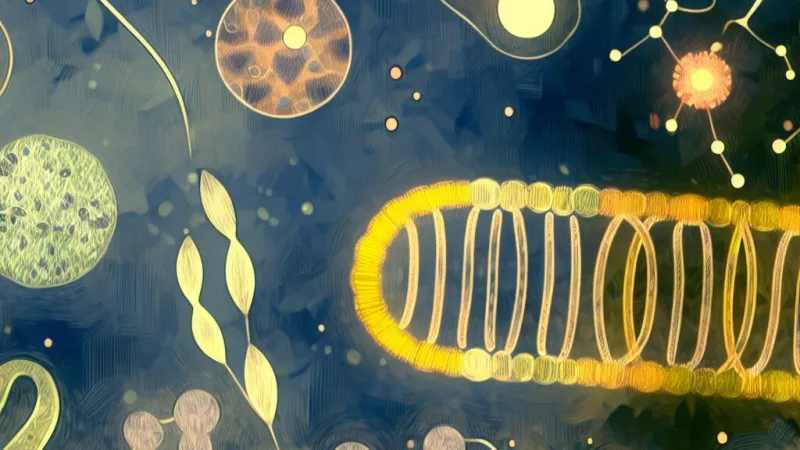
The bulk of aerobic respiration takes place inside the mitochondria – often depicted in GCSE textbooks as tiny, kidney-shaped organelles dubbed “the powerhouses of the cell.” Mitochondria possess double membranes, an intermembrane space, and intricate folds known as cristae, all designed to maximise the production of ATP.
Within the mitochondrial membranes, enzymes facilitate the transfer of electrons and protons during respiration. Key to this process is the ATP synthase enzyme, which acts like a molecular turbine. Here, a flow of hydrogen ions drives the conversion of adenosine diphosphate (ADP) and inorganic phosphate into ATP – a step termed as chemiosmosis. The result is the creation of ATP, which is then ready to power muscle movement, nerve impulses or protein synthesis.
Aerobic Respiration – Efficient Energy Production
Aerobic respiration is the body’s most efficient route to producing ATP, employing oxygen to maximise energy harvest from glucose. This pathway can be broken down into several stages:Glycolysis occurs in the cell cytoplasm, where each glucose molecule is split into two molecules of pyruvate. In this process, a small amount of ATP is produced, and hydrogen atoms are transferred to carrier molecules called NAD.
The link reaction and the Krebs cycle follow inside the mitochondrial matrix. Here, the pyruvate is further broken down, releasing carbon dioxide as a waste gas – a fact relevant to how we exhale during breathing. These steps generate more hydrogen-rich carriers and a small number of ATP molecules.
Finally, in the electron transport chain (located on the inner mitochondrial membrane), the stored hydrogens are used to generate a large burst of ATP. Oxygen acts as the final electron acceptor, combining with electrons and hydrogen to form water. Should oxygen be absent, this final stage grinds to a halt, causing an energetic traffic jam.
In terms of yield, aerobic respiration can produce up to 38 ATP molecules per glucose molecule, a sharp contrast to anaerobic respiration’s paltry 2 ATP. This efficiency explains why most organisms rely on aerobic respiration when oxygen is available. The waste products, carbon dioxide and water, are safely expelled or recycled within the body.
In practical terms, aerobic respiration allows us to sustain activities with high energy demands, like running a marathon or playing a full football match. It also supports essential processes like growth and tissue repair.
Anaerobic Respiration – Energy Without Oxygen
But what happens when the oxygen supply cannot keep up with demand, such as during a sprint or vigorous exercise? This is where anaerobic respiration steps in.When oxygen is scarce, cells revert to a less efficient pathway, relying solely on glycolysis. In animals, this leads to the conversion of glucose into lactic acid. In yeast and some bacteria, the products are ethanol (alcohol) and carbon dioxide, a principle harnessed in bread-making and brewing industries across the UK – from the traditional West Country cider presses to the famous breweries of Burton-on-Trent.
The chemical equation for anaerobic respiration in animal cells is:
Glucose → Lactic Acid + Energy (small amount of ATP)
As no oxygen is involved, there is no final electron acceptor and so the process stops short, yielding only 2 ATP per glucose. The inevitable build-up of lactic acid in muscle cells explains the burning sensation and fatigue one feels after a 100m sprint. The body later “repays the oxygen debt” by converting lactic acid back to pyruvate using oxygen, often noticed as heavy breathing after exertion.
Industrial and everyday applications of anaerobic respiration are considerable. Fermentation processes underpin a range of British foods and beverages, from sourdough bread to Somerset cider, highlighting how an understanding of this basic biology enriches both science and culture.
ATP – The Energy Currency of the Cell
At the heart of all these processes lies ATP. Structurally, an ATP molecule comprises an adenosine molecule attached to three phosphate groups. It is the high-energy bonds between these phosphates, particularly the one linking the last phosphate, that store usable energy.Cells convert ADP (adenosine diphosphate) and inorganic phosphate into ATP whenever energy is available from respiration. Whenever a cellular process – such as the contraction of a muscle fibre or the pumping of ions across a cell membrane – requires energy, an ATP molecule is hydrolysed, splitting off a phosphate and releasing energy. Importantly, this cycle is continuous and rapid, with cells recycling all their ATP many times per minute.
ATP powers a diverse array of activities: muscle contraction on a football pitch, the uptake of minerals in a plant root hair cell, and the assembly of proteins inside tiny ribosomes.
Yet, ATP has its limitations – it cannot be stored in large amounts and must be constantly regenerated, explaining the tight connection between respiration rate and energy demand.
Practical Implications and Applications
The relevance of respiration is not confined to the biology classroom. It directly impacts human health, fitness, and performance. Knowledge of how the body transitions between aerobic and anaerobic respiration underpins sports science – informing training methods, diet, and recovery strategies. British athletes, such as Sir Mo Farah, rely on optimising aerobic capacity and managing the anaerobic threshold to maximise performance.Ecologically, respiration drives the energy flow in all ecosystems, connecting organisms via food chains and webs. Without cellular respiration, plants could not process food made in photosynthesis, and consumers could not release energy from those plants.
In biotechnology, the basic principles of respiration are harnessed to produce bread, cheese, beer, and even biofuels. The UK's long tradition of fermentation, from Cornish cream to Scottish ales, is rooted in our understanding of these cellular processes.
Respiration also remains central in medical research – for instance, studies into mitochondrial diseases and the development of drugs to boost cellular energy in degenerative conditions.
Conclusion
In summary, respiration is the lynchpin of life, transforming food into the energy that powers every living process. ATP, the elusive yet crucial energy molecule, orchestrates the countless activities that keep us alive, from movement to thought. The two faces of respiration – aerobic and anaerobic – ensure that cells can adapt to widely varying circumstances. Recognising the difference between breathing and respiration, and appreciating the efficiency and necessity of ATP production, allows us to see life as a dynamic interplay of energy exchanges. Far from being a dry topic to memorise, respiration stands as an elegant biological system, bridging individual health, ecology, and culture. It provides a foundation for further topics such as metabolism, photosynthesis, and even evolution itself – and serves as a reminder that every breath and every heartbeat are underpinned by intricate cellular dance.---
Additional Tips for Students
- Use correctly labelled diagrams (such as mitochondrion structure and the stages of respiration) to reinforce your understanding. - Relate textbook knowledge to real-life examples (muscle fatigue after exercise, bread rising through fermentation). - Remember key equations and be precise when describing processes. - Explain complex terms in your own words to ensure both clarity and accuracy. - Always link respiration to bigger biological themes, such as adaptation, energy flow in ecosystems, or survival strategies.Through a firm grasp of respiration, students in the UK not only score better in exams but gain a deeper appreciation of the living world’s remarkable energy systems.
Rate:
Log in to rate the work.
Log in